
My name is Hilia Angula and I am a history teacher, a special education advocate, a lifelong learner and a youth advocate. These roles grew out of years of learning, listening and noticing where people are quietly left behind.
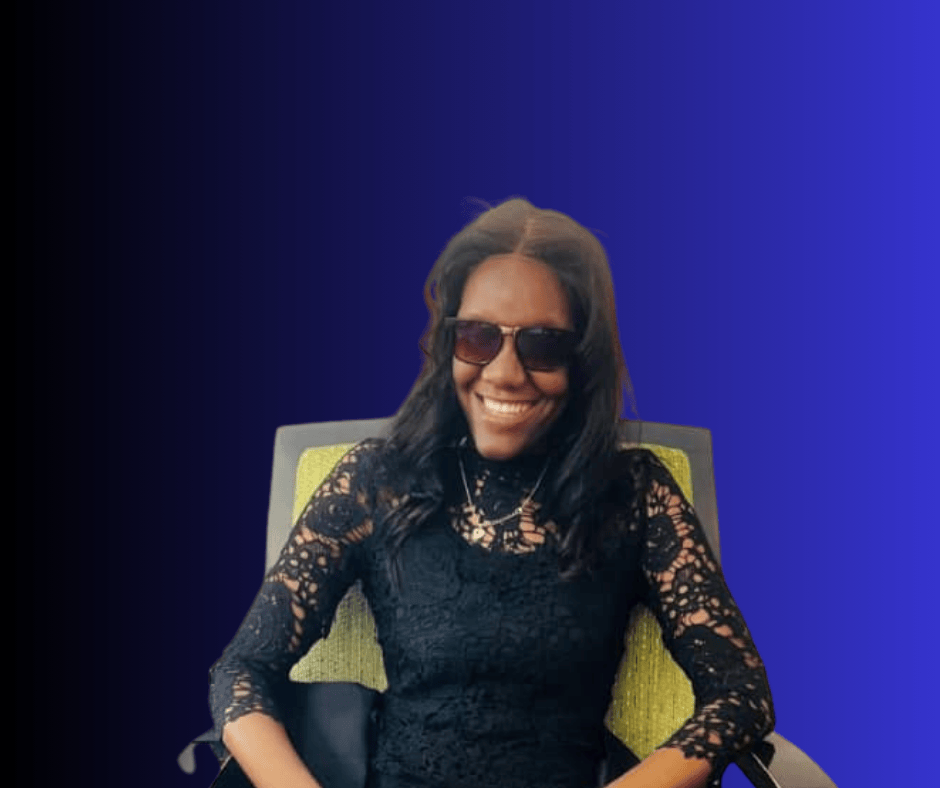
I have always believed that education shapes confidence, identity and the courage to imagine a future. As a history teacher, I am committed to helping learners understand where they come from because understanding the past gives people permission to believe they belong in the future. Over time my work naturally leaned toward learners with special needs, where the gaps were wider and the stakes were higher.
In my classroom I learned that teaching is about adapting, responding and paying attention. I work hard to combine strong academic instruction with creative teaching approaches, especially when teaching history. I want learning to feel alive, relevant and possible. When lessons are adapted to meet individual needs, students begin to believe in themselves.
Outside the classroom my awareness of social inequality deepened. I currently serve in the secretariat of the Central Regional Association of the Visually Impaired. Through this role, I have spent time with unemployed persons with visual impairment, particularly young people who are willing to work, eager to learn and full of ideas yet repeatedly shut out of opportunity. Their exclusion is rarely about ability. More often, it is about systems that were never designed to include them.
This reality stayed with me. I could see how young people struggled without guidance, mentorship, or access to skills that could open doors. At the same time, I saw how persons with visual impairment faced layered barriers in education, employment, and public perception. Advocacy mattered, but I felt that something more practical was needed. Something grounded in mentorship, skills, and visibility.
A turning point in my journey came when I participated in the Lead Without Limits program at Tyrone Havnar Foundation. The training gave me clarity, challenged me to think beyond intention and ask what responsibility looks like when you can clearly see a problem. It helped me understand leadership as action, not a position.
During the program, I began to connect pieces of my life that had always existed separately. My work in education, my advocacy for persons with visual impairment, my concern for unemployed youth and my belief in inclusion all started to form a single direction. Lead Without Limits strengthened my confidence and helped me understand that the ideas I carry are necessary.
It was through this reflection that the Youth Mentorship and Advocacy Initiative for Unemployed Persons with Visual Impairment took shape.
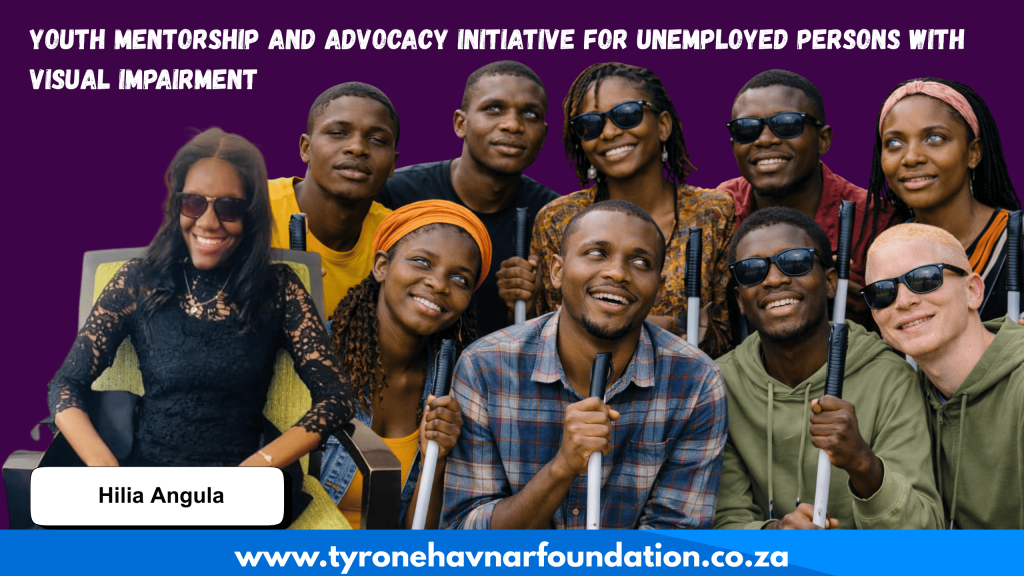
The initiative grew from what I had already witnessed. Young people need mentorship, not just motivation. Persons with visual impairment need access to skills, not sympathy. Communities need awareness, not assumptions. The project focuses on mentorship, skills development, advocacy and partnerships because exclusion is not solved by one approach alone.
At its core, the work is about creating spaces where young people can be guided, where blind youth can build confidence and job readiness, and where conversations around disability move from charity to rights and opportunity. It is about mentoring youths in personal development and leadership, supporting unemployed persons with visual impairment with practical skills, and raising awareness so that inclusion becomes normal rather than exceptional.
There is also a personal reason why this work matters to me. I lost my father at a very young age. Growing up without him shaped my understanding of vulnerability, responsibility and resilience. That experience planted a quiet desire in me to one day support orphans and vulnerable children, especially those growing up without guidance or protection. It is why I hope to establish a foundation named after my father, rooted in care, dignity and opportunity.
The philosophy that guides me is simple. Lead without limits. Not as a slogan, but as a way of thinking that challenges society’s expectations and refuses to accept imposed ceilings. As a person with visual impairment and an emerging leader, I use my voice to encourage unemployed blind youth to lead with confidence, creativity, and purpose. Leadership should never be reserved for a few. It belongs to everyone willing to take responsibility.
Outside my professional work, I find balance through music and faith. I enjoy both fast paced and faith based music and remain actively involved in church activities. These spaces remind me that growth is holistic and that service must be rooted in values.
I am still learning. Still building. Still listening. But I am certain of this. Inclusion must move beyond words and become action. Through mentorship, advocacy, and skills development, I am committed to creating pathways where young people and persons with visual impairment are seen, supported, and given a fair chance to thrive.
If you believe in supporting youth mentorship and empowering persons with visual impairment to build meaningful futures, I invite you to support this work through a DONATION